
Brain Computer Interfaces (BCI)
Brain-computer interfaces and other related fields such as neuroadaptive technology, neuroergonomics, human-computer interaction, and others require a high level of flexibility in terms of data access and compatibility. Our solutions provide fast access to raw data, an SDK and compatibility with all major open source BCI software solutions. Online access is particularly facilitated via LSL connectors that are available for all our amplifiers on GitHub.
For more on how to use our equipment for your BCI research, take a look at our dedicated bci.plus website, especially the blog post section.
Recommended solutions
Below you will find some of our recommended solutions for this application field. Depending on your research paradigm, other solutions may be more appropriate. For the optimal setup for your research goals, please contact your local distributor.
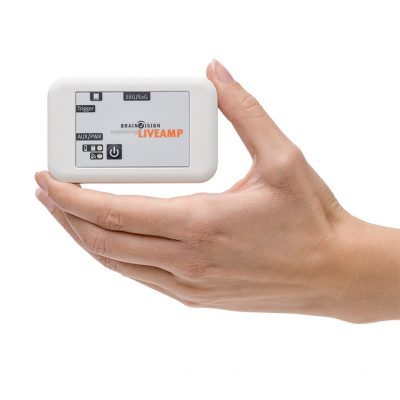
LiveAmp
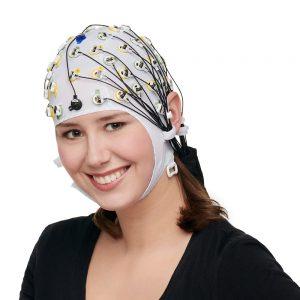
actiCAP slim/snap
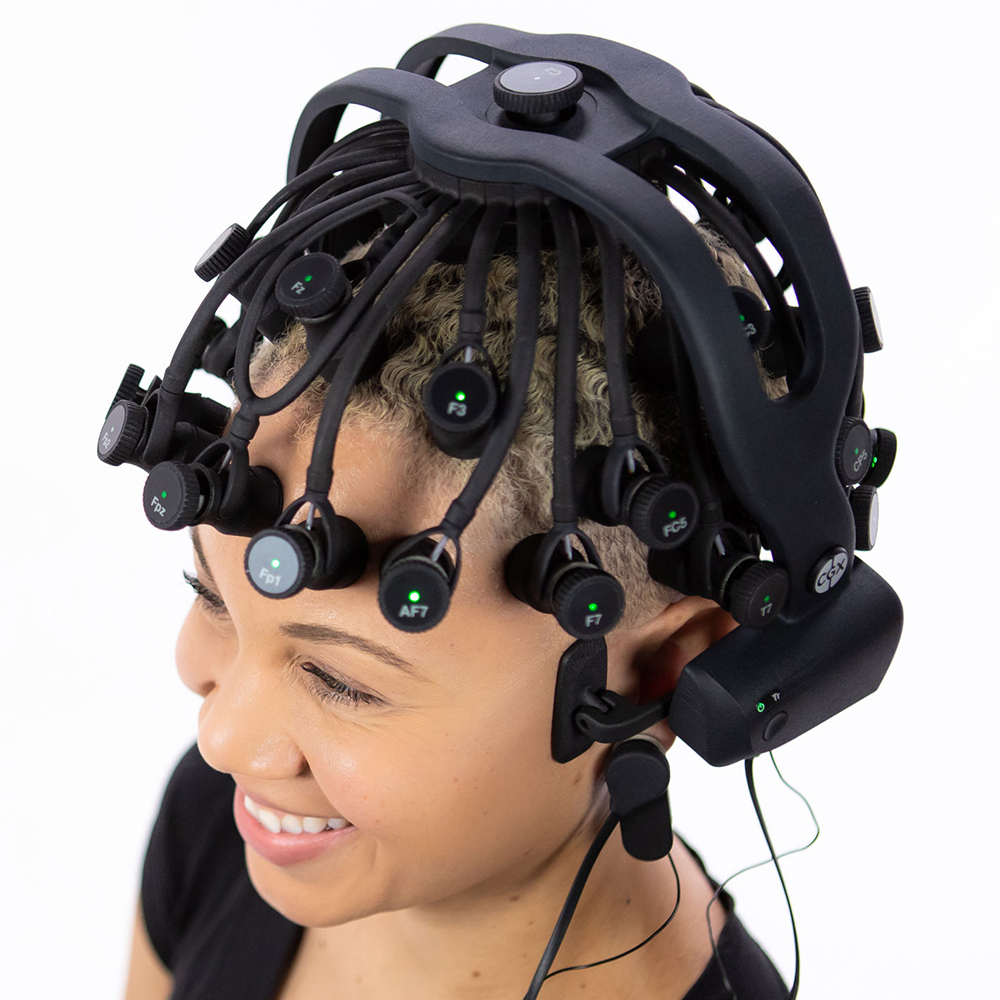
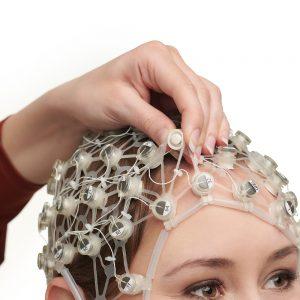
R-Net
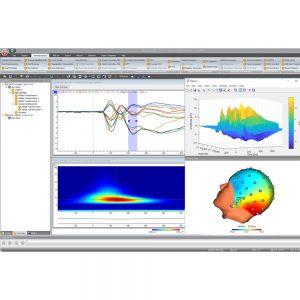
BrainVision Analyzer
More resources
Reference labs
We enjoy the close contact we have with research groups using Brain Products equipment. In fact, these collaborations often help us improve our solutions, not just for one specific application field, but for all. We greatly appreciate the ongoing collaboration with these labs.
 Clinical Neurotechnology Lab
 IUCRC BRAIN Center
Publications
Here are some papers related to this application field (published by the above mentioned reference labs):
- Nann, M., Peekhaus, N., Angerhöfer, C., & Soekadar, S. R. (2020). Feasibility and Safety of Bilateral Hybrid EEG/EOG Brain/Neural-Machine Interaction. Frontiers in Human Neuroscience, 14. https://doi.org/10.3389/fnhum.2020.580105
- Nann, M., Cohen, L. G., Deecke, L., & Soekadar, S. R. (2019). To jump or not to jump – The Bereitschaftspotential required to jump into 192-meter abyss. Scientific Reports, 9(1). https://doi.org/10.1038/s41598-018-38447-w
- Luu, T. P., Nakagome, S., He, Y., & Contreras-Vidal, J. L. (2017). Real-time EEG-based brain-computer interface to a virtual avatar enhances cortical involvement in human treadmill walking. Scientific Reports, 7(1). https://doi.org/10.1038/s41598-017-09187-0